

The perlite vs vermiculite decision usually starts with a watering problem: a pot stays wet for days, or a seed tray dries before you return home. Buying whichever bag looks similar can make that problem harder to manage.
Both materials are used in growing media, but they are not interchangeable in every recipe. Perlite is commonly chosen to open a mix, while vermiculite is useful when retaining moisture is part of the goal.
This guide compares growing conditions, particle grades and purchasing options so you can choose an ingredient or ready-made blend that suits your containers.

1. Perlite vs Vermiculite Starts with the Watering Problem
Approach perlite vs vermiculite by asking what needs to change in the root zone. A heavy, persistently wet mix needs a different response from a small propagation container that repeatedly dries out. First check drainage holes, watering frequency and the condition of the existing medium.
Adding a different mineral cannot compensate for a container that cannot drain. Nor should a moisture-retaining ingredient justify leaving young plants unattended indefinitely. The amendment belongs within a working watering routine, rather than replacing that routine.
Iowa State University describes growing-media components by the functions they provide. Some mainly support water retention, while others contribute air-filled spaces. The practical perlite vs vermiculite comparison is about the finished mix, not which material sounds more advanced.
- Choose an aeration-focused adjustment when the mix remains dense and wet despite suitable drainage and sensible watering.
- Consider moisture retention when suitable containers dry too quickly for the crop and your realistic watering schedule.
Perlite can retain some water; calling it completely dry or waterproof would be misleading. Vermiculite also contributes structure, so it should not be described as having no air spaces. Their effects depend on particle size, proportion and the other ingredients. Before buying a large bag, identify the problem across several watering cycles rather than reacting to one unusually hot afternoon.
2. Compare Particle Grade and the Finished Mix
In perlite vs vermiculite comparisons, a bag’s grade matters as well as its name. Fine and coarse particles create different spaces between them, and a recipe made with one grade may behave differently when another is substituted.
Particle Size Changes the Result
Ask whether the material is intended for seed starting, general potting or another horticultural application. A fine ingredient can fit small propagation cells, while a coarser structure may be useful in larger containers. Avoid choosing building products merely because the mineral name matches a gardening ingredient.
For a useful perlite vs vermiculite shortlist, compare horticultural products with stated grades. Photograph the bag information so you can repeat a successful mix. A familiar brand name alone does not establish that two bags have the same particle distribution or intended use.
The Container Is Part of the Recipe
Rutgers’ container-media guidance shows that water and air characteristics should be evaluated after ingredients are combined. Its example measurements specify medium depth, a reminder that container geometry affects interpretation.
Do not turn a published example percentage into a universal promise for every pot. A shallow tray and a taller container can behave differently even with the same ingredients. Keep container type and watering method consistent when comparing small trial batches. Record how the plants respond and how the medium changes between waterings; a mixture that works in someone else’s deep pot may need adjustment in your shallow seed cells.
3. Choose for Seedlings or Established Containers
For perlite vs vermiculite purchasing decisions, the plant’s stage gives the comparison a useful direction. Young seedlings need a medium they can root through, while established container plants may need a different balance of moisture storage and air space.
Seed Starting Needs a Suitable Finished Medium
University of Minnesota seed-starting guidance recommends commercial seed-starting media and describes mixes containing peat and vermiculite. That supports buying a suitable propagation mix; it does not mean every seed should be sown in pure vermiculite.
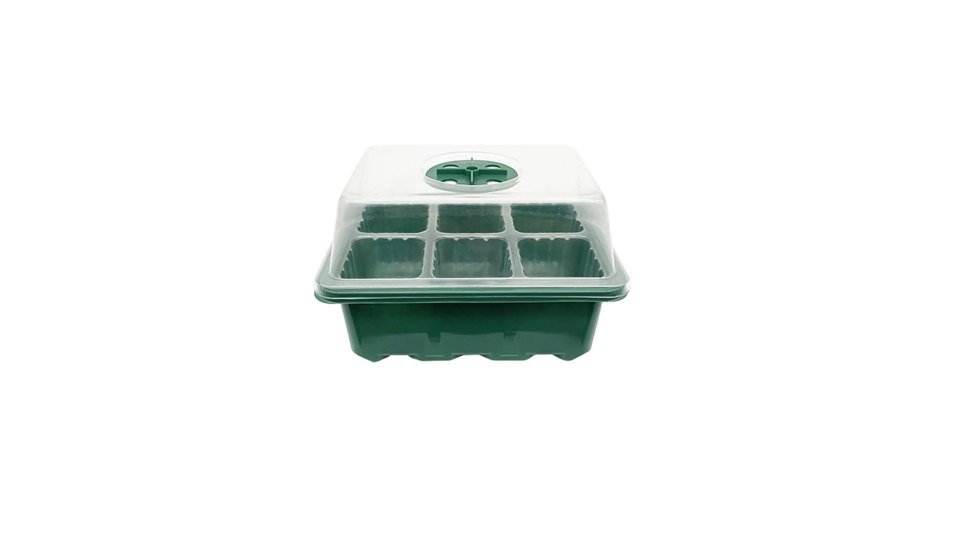
Choose the medium and cell size together. Small cells need close attention because their usable water reserve is limited. Match texture to the seed and follow the seed packet’s sowing instructions rather than adding a thick mineral layer automatically.
A Coco-Perlite Blend Is a Different Purchase
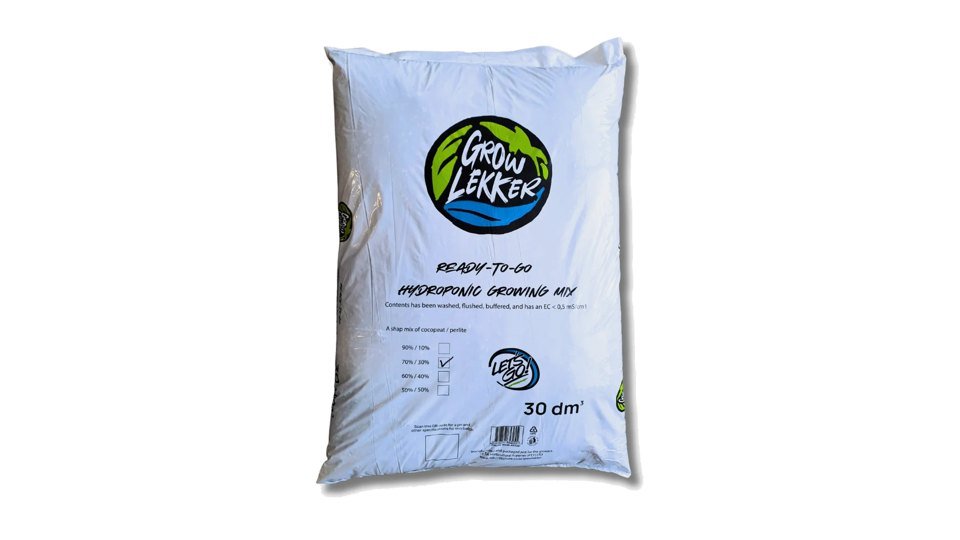
The SilvaBask 30L Coco Perlite Mix costs R160. It contains 70% coco and 30% perlite and is an option when you want a prepared coco-based root medium for drained containers.
This is not a bag of pure perlite, and it does not settle perlite vs vermiculite for every crop. Choose it when you are prepared to manage coco watering and feeding. Follow the batch label for preparation and buffering information; do not assume that the blend supplies a complete fertiliser programme or arrives ready for every irrigation system.
4. Compare the Cost of the Mix You Will Use
The useful perlite vs vermiculite price comparison is cost for your intended container volume, using suitable grades. Comparing kilograms alone can be confusing when products differ in bulk density. Include delivery and the amount that will actually be used.
For the R160, 30L coco-perlite bag, the purchase calculation is approximately R5.33 per litre of the blend, before delivery. That is not the price of pure perlite. Do not compare it directly with a small bag of vermiculite without accounting for the other ingredients you would need.
| Purchase | Useful comparison | Remaining costs |
|---|---|---|
| Pure horticultural amendment | Suitable grade and cost per usable litre | Base medium and other ingredients |
| Prepared coco-perlite blend | Bag volume and composition | Containers, nutrients and delivery |
| Seed-starting mix | Suitability for seeds and cells | Trays and transplant medium |
For a small first batch, buying less can be sensible even if the unit price is higher. A cheap large sack is poor value if its grade does not suit the containers or it sits unused. Store remaining material according to its packaging and avoid contaminating clean propagation supplies.
Keep perlite vs vermiculite separate from the decision to change growing systems entirely. If you are considering a reservoir-based setup instead of pots, the beginner hydroponic systems guide explains that broader equipment choice. Buy the medium after deciding which system you will actually maintain.
Conclusion
Choose perlite vs vermiculite according to the moisture and air balance your containers need. Prioritise a suitable horticultural grade, the complete mix and a manageable watering routine rather than expecting one ingredient to solve every root-zone problem.
For a prepared coco-based option, the 30L 70/30 blend at R160 offers a concrete starting purchase, with feeding and preparation still part of the plan. Compare the available growing medium and propagation equipment at SilvaBask.
FAQs
Should I use vermiculite or perlite?
Perlite is commonly selected to help open a potting mix, while vermiculite is often selected for moisture retention. Neither property is absolute. Grade, proportions, the base medium and the container all influence the final balance of water and air.
Can I replace perlite with vermiculite in a succulent mix?
Not automatically. The substitution can change moisture retention, which may work against the reason perlite was included. Consider the particular plant, container and watering conditions, and trial a suitable mix rather than replacing ingredients solely because they look similar.
Can I mix perlite and vermiculite together?
Yes, both can form part of a growing medium, but there is no universal ratio for every plant. Evaluate the finished mix alongside its base ingredients and container depth. Start with a horticultural recipe appropriate to the crop and adjust carefully.
Does coco-perlite mix already contain complete fertiliser?
Do not assume it does. The SilvaBask blend is a root-support medium, not a complete feeding programme. Follow the bag’s preparation instructions and use a nutrient approach suitable for coco and the crop, with irrigation and drainage managed together.
Should I compare growing media by litres or kilograms?
Litres are useful when planning container fill because pots hold a volume of medium. Compare suitable products by usable volume and delivered cost. Weight still matters for handling and delivery, but it is not a substitute for comparing composition and grade.