

The grow room vs grow tent decision usually starts with an awkward spare corner or an unused room. You want enough space for plants, but also somewhere to water, inspect and clean without moving everything each evening.
A tent creates a defined enclosure inside a room. A dedicated grow room uses the room itself as the growing environment. The second option offers layout freedom, while the first gives you a removable structure with a known size and purchase price.
This guide compares space, equipment spending and everyday access so you can choose a practical starting point and avoid paying for growing space you cannot support.

1. Compare Usable Space, Not Just Floor Area
Start the grow room vs grow tent comparison by drawing the area where plants will actually stand. Then draw the access route, equipment positions and space needed to open doors. An empty room may look generous until shelves, a water container and electrical equipment take their places.
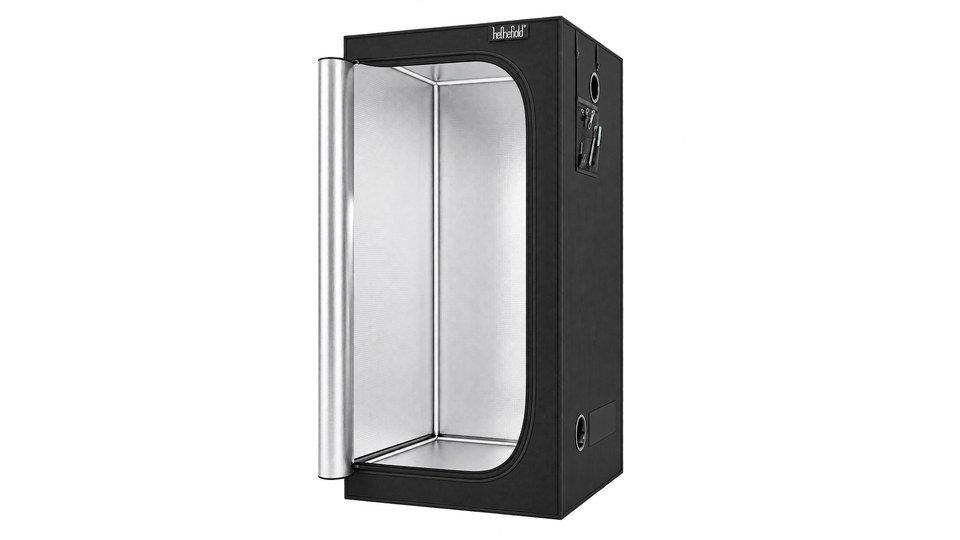
A 60 × 60cm tent occupies 0.36m², a 90 × 90cm tent occupies 0.81m² and a 120 × 120cm tent occupies 1.44m². These are calculated enclosure footprints, not total working areas. You still need space outside the entrance and clearance for ducting. A larger floor footprint also does not guarantee enough light for every plant placed inside.
Height can change the choice more than width. SilvaBask’s 60cm tent is 140cm tall; the 90cm tent is 180cm tall; the 120cm tent is 200cm tall. Containers, hanging equipment and the distance below the light all consume that height. None of those dimensions represents unrestricted plant height.
For a useful grow room vs grow tent layout, test two movements before ordering:
- Stand where the entrance will be and imagine removing the furthest container without dragging another plant aside.
- Mark where the light and extractor will hang, then check that you can reach their controls and supports.
A dedicated room becomes attractive when benches, wide aisles or several separate growing zones are central to your plan. A tent makes more sense when the rest of the room must remain available for storage or ordinary household use.
2. Compare the Whole Purchase Budget
A tent has a clear enclosure price. Turning an existing room into a growing area may avoid buying that enclosure, but it does not remove lighting, ventilation, floor protection or mounting costs. In a grow room vs grow tent budget, compare complete shopping lists rather than a tent price against a supposedly free room.
The SilvaBask 60 × 60 × 140cm tent costs R1,365. It offers the lowest enclosure cost of these three sizes, but its 140cm height needs careful planning if you want tall plants or bulky suspended equipment.
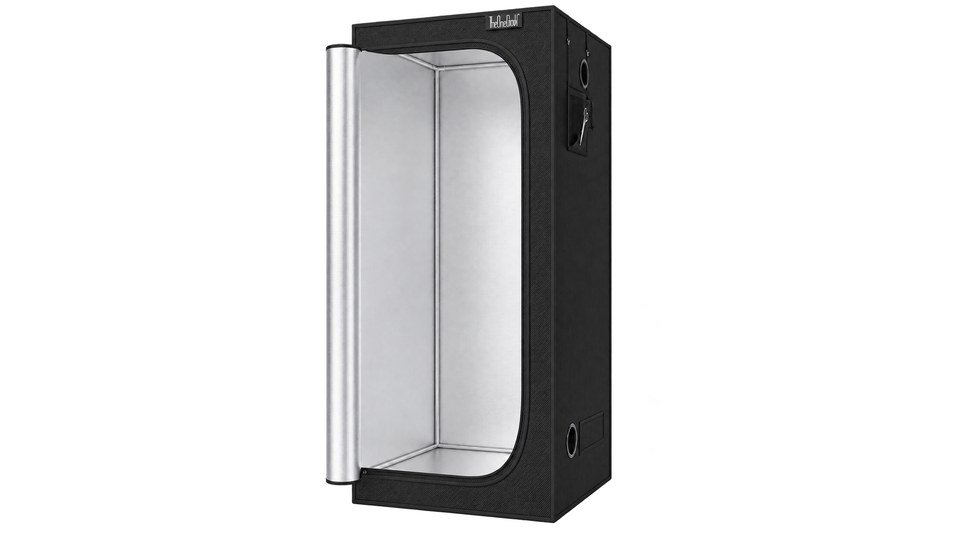
The 90 × 90 × 180cm tent costs R1,825. Spending another R460 buys a wider enclosure and 40cm more height. Moving again to the 120 × 120 × 200cm tent at R2,335 adds R510, another 30cm of width and depth, and 20cm of height.
| Enclosure | Price | Floor footprint |
|---|---|---|
| 60cm tent | R1,365 | 0.36m² |
| 90cm tent | R1,825 | 0.81m² |
| 120cm tent | R2,335 | 1.44m² |
| Dedicated room | Price the actual modifications | Measure the usable layout |
For grow room vs grow tent spending, separate items you already own from items you still need. A suitable existing light may transfer to either layout. A larger growing area may require additional equipment, but floor size alone cannot determine its specification or running cost. Obtain actual prices for the room’s required work instead of using an invented universal conversion budget.
3. Plan Light and Air for Both Spaces
A tent is an enclosure, not an automatic climate-control system. Its surrounding room still affects the air entering it. A grow room vs grow tent choice therefore needs two drawings: the growing layout and the route air will take through and beyond that layout.
Light the Crop Area You Will Use
Place the intended light over the actual crop area rather than assuming a room-wide installation is necessary. The University of Minnesota lighting guidance explains that plants differ in their light needs. Match the equipment to those needs and the canopy arrangement; reflective walls do not make an undersized light adequate for any crop.
Plan Air Exchange and Circulation Separately
Before choosing either space, separate these practical tasks:
- Air exchange: identify where replacement air enters and where extracted air goes. Sending it into the same closed surrounding room does not remove moisture from the home.
- Air movement: leave gaps around mature foliage and plan access to any circulation fan, without treating that fan as a substitute for extraction.
Household moisture guidance from UMN Extension identifies plants as one source of indoor moisture and discusses ventilation and dehumidification. This supports planning for the room as well as the enclosure; it does not establish a specific fan size for your setup.
In grow room vs grow tent planning, neither format guarantees lower electricity costs. Compare the actual light wattage, operating hours and environmental equipment. Start with a manageable crop area and measure conditions before expanding into unused space.
4. Choose Around Your Daily Routine and Next Upgrade
Choose a tent if you want a defined, removable growing zone while retaining the surrounding room. Choose a dedicated room when access, benches and a customised layout justify allocating the whole space. The practical grow room vs grow tent question is which arrangement you can maintain comfortably after the plants become larger.
A tent can help organise the setup around one entrance and a limited footprint, but reaching the rear may become awkward. Check access before assuming the bigger size is automatically easier to use. Where the room permits, leaving accessible space around the enclosure can matter as much as adding another row of plants.
A dedicated room gives you more freedom to position benches and leave aisles. That freedom has to be planned: filling every available surface with plants can recreate the same access problem on a larger scale. Leave a clear place to prepare water, inspect equipment and remove plant material.
For an uncertain first project, the 90cm tent offers more height than the 60cm model without committing to the largest footprint. For a grow room vs grow tent upgrade, consider the 120cm enclosure only when the additional space fits both your equipment and your maintenance routine.
Use the indoor grow tent buying guide to assess the enclosure details once you have chosen that route. If several zones or a permanent bench layout are already necessary, price the room properly instead. The right upgrade solves a specific restriction, such as poor access or insufficient height, rather than merely creating more floor area to fill.
Conclusion
For grow room vs grow tent decisions, start with the smallest workable growing area and a realistic access plan. The R1,825 90cm tent is a practical middle option when 140cm is too short; the R2,335 120cm tent adds space when your equipment can support it. A dedicated room suits a deliberate bench-and-aisle layout.
Complete your grow room vs grow tent comparison with the entire equipment list. Choose the enclosure and related equipment that fit your room and routine at SilvaBask.
FAQs
Should I convert a room or buy a bigger tent?
Buy a bigger tent when you need a removable enclosure and the additional size solves a specific limitation. Consider converting the room when permanent benches, wider access or multiple growing zones justify the work and its full cost.
Is it easier to reach plants in a grow room?
It can be, if you deliberately leave aisles and place containers within reach. A dedicated room does not automatically provide better access. A tent with accessible sides may be easier to maintain than a crowded room.
Do I need a grow tent to grow indoors?
No. A suitable room can support indoor growing without a tent. You still need appropriate lighting, usable access and a plan for air and moisture. A tent is useful when you want a separate, removable growing enclosure.
Which tent gives more height without the largest footprint?
The 90 × 90 × 180cm tent adds 40cm of height over the 60 × 60 × 140cm model. It costs R460 more. Allow for containers, suspended equipment and the light’s required clearance when judging usable plant height.
Grow room vs grow tent: is an existing room always cheaper?
No. An existing room avoids an enclosure purchase, but may still require suitable mounting, floor protection, lighting and environmental equipment. Compare priced lists for both arrangements. Equipment you already own can change the result substantially in either direction.