
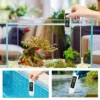
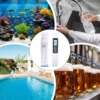
TDS Meter for Water Quality description
Follow changes in your water
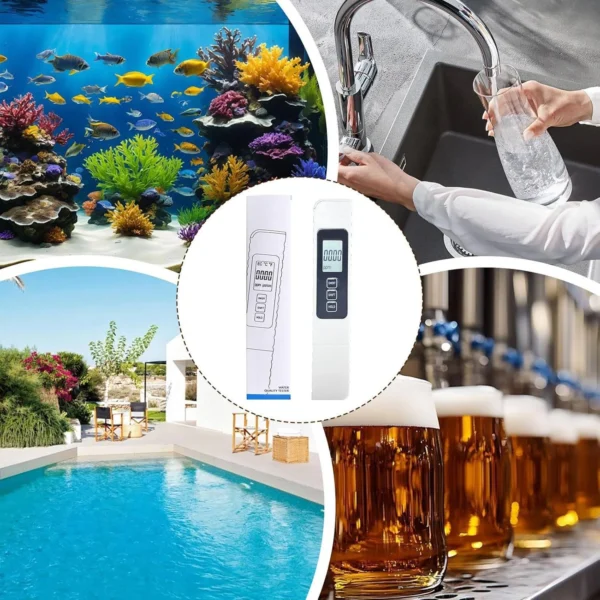
Check ppm, conductivity and temperature, then compare readings taken at the same stage of your growing routine.
Useful readings beside the reservoir
Use conductivity and TDS readings to track the overall dissolved ionic content in a sample. Consider source water, nutrient additions and water use together rather than treating a higher reading as a better result.
Source-water checks
Record dissolved-mineral content before adding nutrients.
Nutrient mixing
Compare the water before and after mixing.
Reservoir top-ups
Observe changes at a consistent stage of the routine.
Water-temperature checks
Record temperature with the conductivity or ppm reading.
Product advantages
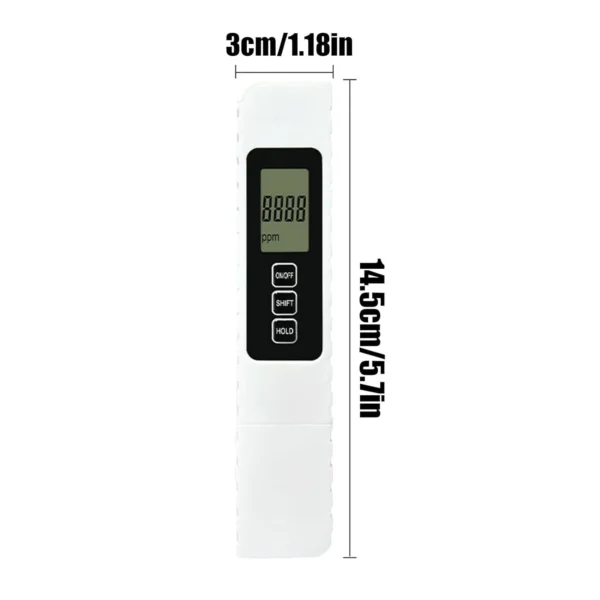
Three readings in a handheld format
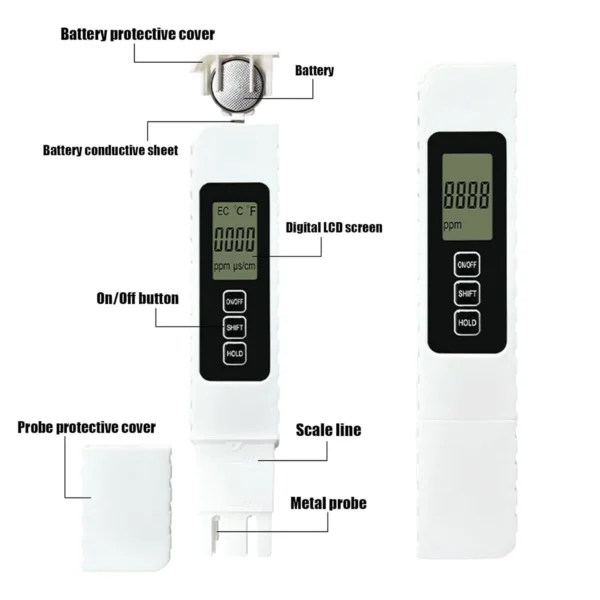
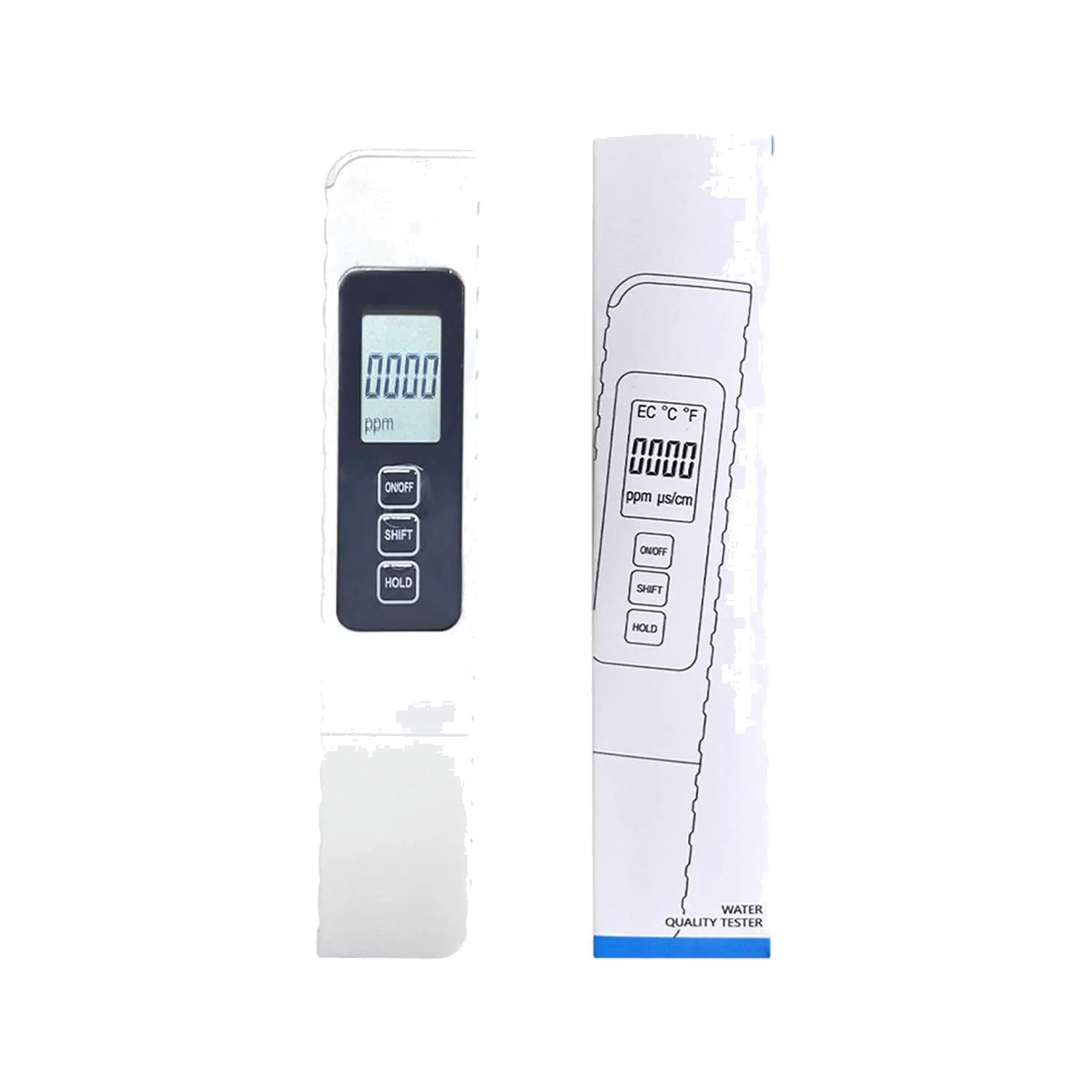
The digital display and simple controls support quick sample checks and consistent record keeping.
- ppm
- TDS estimate
- µS/cm
- Conductivity reading
- Temperature
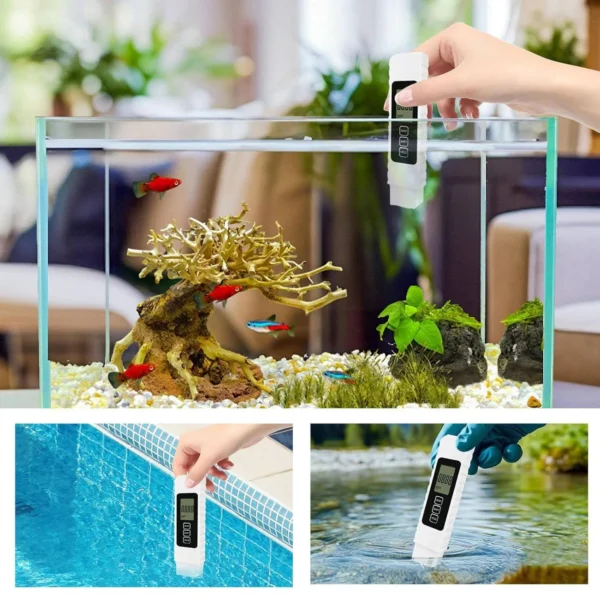
- Water sample check
- 01
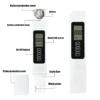
TDS and conductivity
Read ppm or µS/cm with the shift control.
- 02
Water temperature
View sample temperature alongside the water measurements.
- 03
Reading hold
Keep a displayed value while moving the meter to a readable position.
- 04
Probe protection
A removable cap protects the sensing end between uses.
Choose TDS checks or combined pH testing
Compare the growing format or measurement task. These are separate products, not an included bundle.
Current product
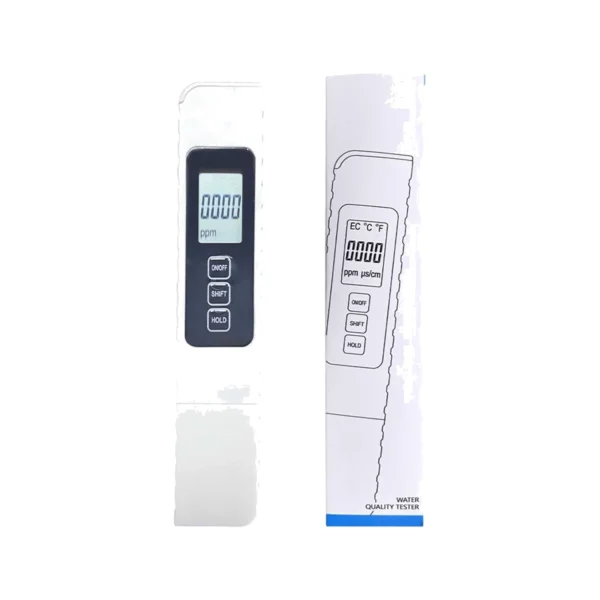
TDS Meter for Water Quality
Track dissolved-solids readings as your nutrient solution changes.
- TDS estimate
- ppm
- Conductivity reading
- µS/cm
- Water sample check
- Temperature
Alternative product
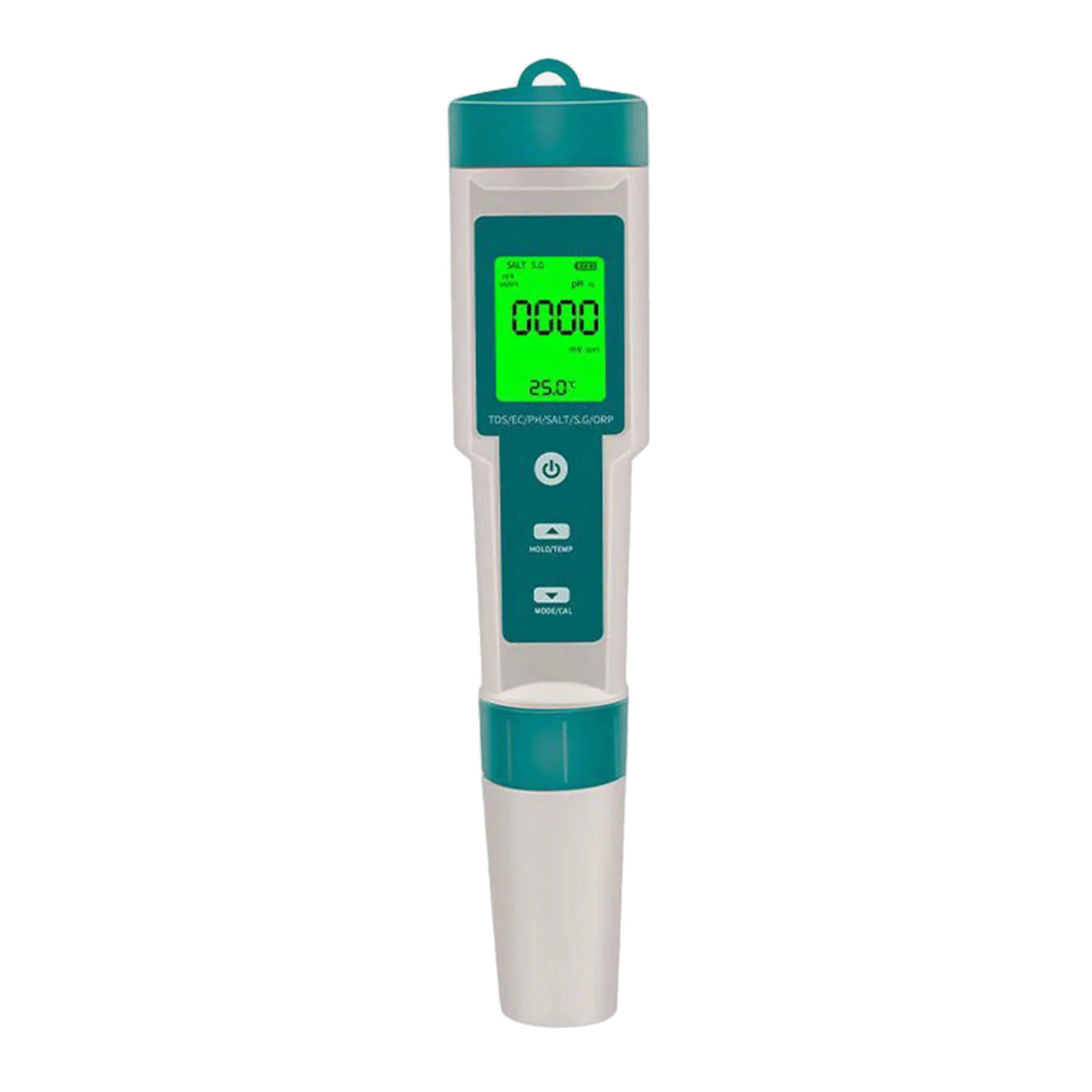
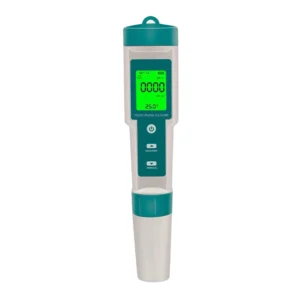
pH EC TDS Water Quality Meter
Bring pH, conductivity and TDS checks into one handheld meter.
- Acidity and alkalinity
- pH
- Electrical conductivity
- EC
- Dissolved-solids estimate
- TDS
Installation and related equipment
Rinse the probe, immerse only the sensing end, move gently and wait for the reading to stabilise. Record the unit as well as the value. Check against a suitable reference solution and follow the supplied procedure for adjustment. Keep the display dry and clean the probe after use.
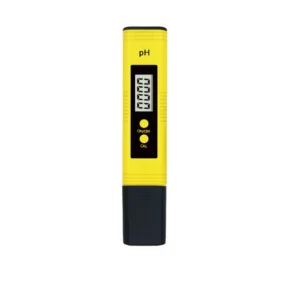
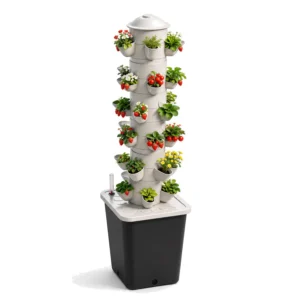
Related equipment: pH EC TDS Water Quality Meter, Digital pH Meter for Hydroponics, 30-Site Vertical Hydroponic Tower.
Reviews
There are no reviews yet.